

















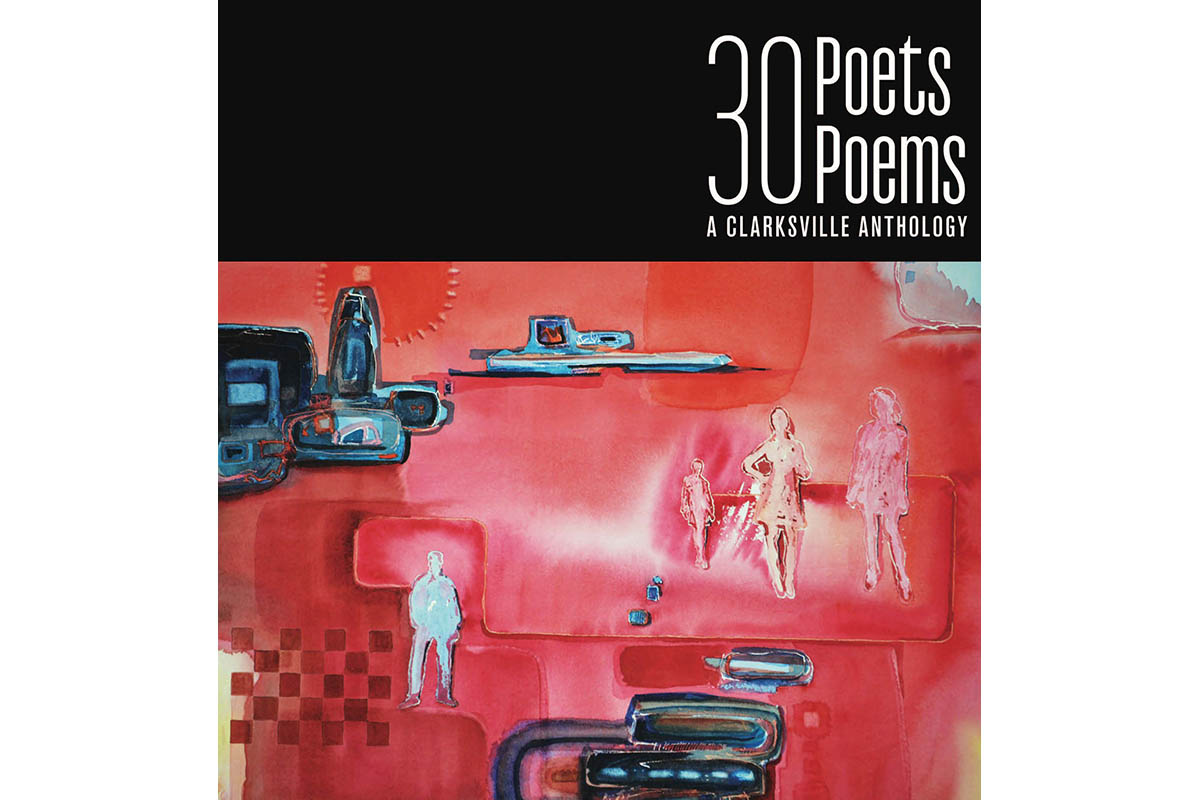
APSU creative writing professor Barry Kitterman’s “30 Poets, 30 Poems” celebrates the people, places of Clarksville
August 14, 2020
 Clarksville, TN – “Poetry and place are the oldest of friends,” said Barry Kitterman, Austin Peay State University (APSU) creative writing professor and author of Stories from San Joaquin and The Baker’s Boy, in his effusive introduction to his 30 Poets, 30 Poems Clarksville anthology.
This collection is a love letter to all things Clarksville: the people, the places and the memorialization of this marriage through art.
Book published by APSU’s Zone 3 Press wins PEN New England Award
May 20, 2014
 Clarksville, TN – Earlier this year, the famed American poet Richard Blanco became a fan of a young poet named Karen Skofield. After reading her debut collection, “Frost in the Low Areas,” he admitted to falling “in love with poetry all over again.”
“She understands that poetry does not exist independently; it is pulled out of all we see, without pretense or artifice, and not in the obvious and expected ways either,” he said.
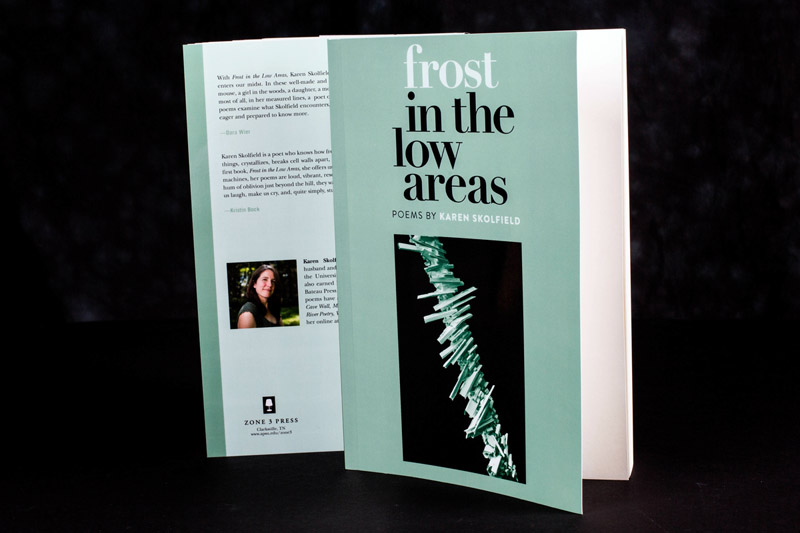
Karen Skofield’s book, “Frost in the Low Areas,” recipient of this year’s PEN New England Award.
Lynne Griffey Shows Watercolors from Beach Poetry Book at Planters Bank in October
October 7, 2013
 Clarksville, TN – The Planters Bank-Hilldale Gallery will show watercolor illustrations from local artist Lynne Griffey now through Wednesday, November 6th. The paintings are all featured in a newly published book by local author Nancy Sneed, “Grains of Sand: Beach Poems.”
Griffey and Sneed, both retired Clarksville educators, combined their talents to produce a book the entire family can enjoy. “Grains of Sand” is a collection of poems that tell the story of a family vacation to the beach, from packing to reliving the trip through the photo album.
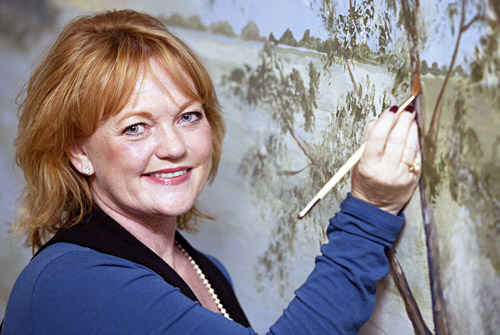
Lynne Griffey
Austin Peay State University to have reading by Poets Nancy Eimers and Karen Skolfield October 3rd
October 1, 2013
Clarksville, TN – In early 2012, award-winning poet Nancy Eimers read a poetry collection that was tender and serious, but also deeply funny and playful.
“This is a poet who pays attention to small wonders, who marvels that ‘sticks / can walk’ and ‘the roots of trees gather / forgotten rains,’ who takes to heart ‘the river’s stillness behind a fallen log,’ and yearns over human fragility, a child’s hand with its ‘twiggish bones, the little covering of skin,’” Eimers later wrote. “In and around and under the wit these poems are enormously tender.”
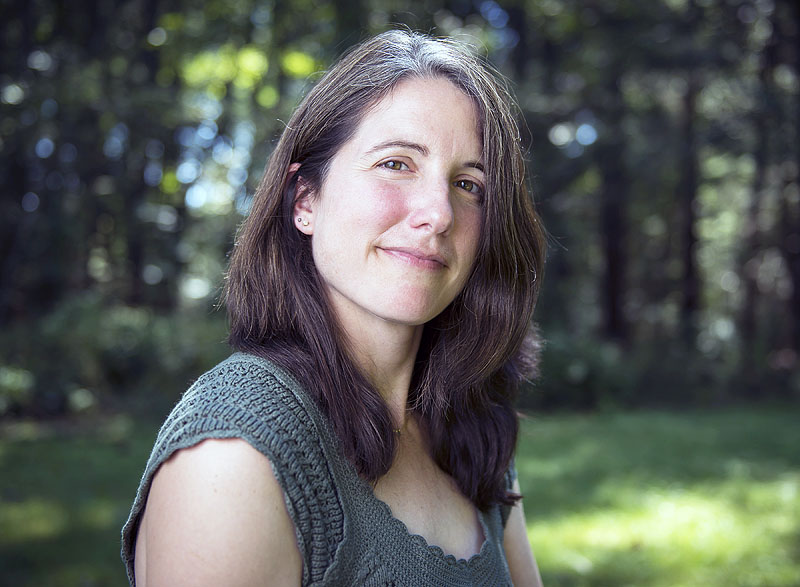
Karen Skolfield


