


















APSU’s Osvaldo Di Paolo Harrison publishes fifth scholarly work on Hispanic crime fiction
February 23, 2018
 Clarksville, TN – In 1978, the Spanish crime novelist José García Martínez-Calín created Gay Flower, a tough private detective reminiscent of Mikey Spillane’s Mike Hammer and Raymond Chandler’s Philip Marlow.
Flower’s adventures through the hardboiled underworld of 1940s Los Angeles helped revive crime fiction in Spain and Latin America, but Martínez-Calín is rarely mentioned in academic journals or invited to the genre’s many celebrated literary festivals, like Spain’s popular Semana Negra (Black Week).
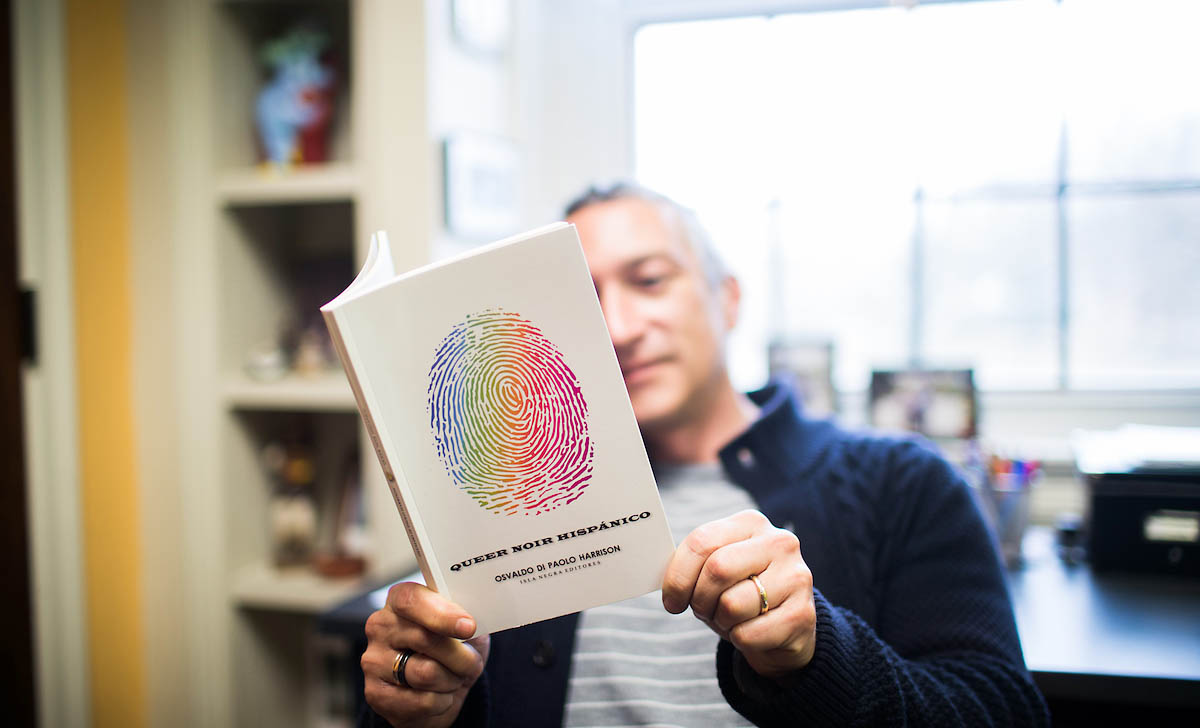
APSU professor Dr. Osvaldo Di Paolo Harrison with his recently published book “Queer Noir Hispanico”.
Interpreting Wall Street’s wild swings benefits from perspective
August 26, 2015
 Clarksville, TN – The stock market sell-off continued Monday, as the Dow Jones Industrial Average and other major domestic indices saw a significant drop in early morning trading, regained some ground as the day progressed, but still closed down 3% to 4% for the day.
Global markets were also down, notably in China, Hong Kong, Germany and the United Kingdom. The pullback appears to be driven by concern over slowing global growth, particularly as China’s economy (one of the world’s largest) falters, as well as the drop in commodity prices, namely oil.
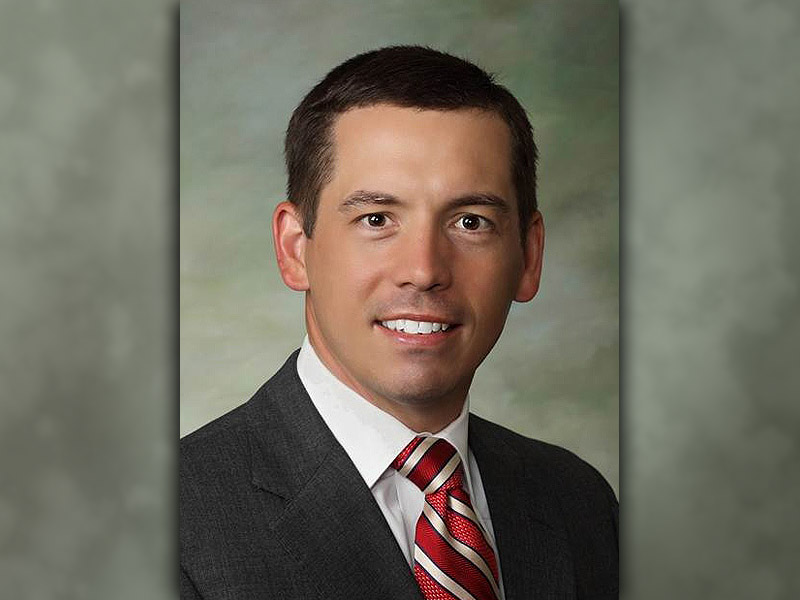
Frazier Allen
APSU Professor’s New Book Examines Women’s Suffrage Movement in Argentina
August 3, 2011
 Clarksville, TN – In 1947, women in Argentina were finally given the right to vote. Jubilant crowds took to the streets, and the country’s first lady, Eva (Evita) Perón was hailed as a hero for her role in spearheading the new law.
 But Dr. Gregory Hammond, assistant professor of history at Austin Peay State University, points out that not all women were happy by this historic turn of events. In his new book, “The Women’s Suffrage Movement and Feminism in Argentina from Roca to Perón,” he argues that some of that country’s most ardent feminists were against the Perón government enacting the new law.
“Here’s the great irony,” Hammond said. “The early generation of feminists, the ones who had worked for four decades in some cases, were all opponents of (President Juan) Perón. They thought he was basically a Fascist. Peron had said things in the past that indicated he supported Mussolini. And they believed if women got the right to vote from Perón, then they would vote for Perón.” [Read more]


