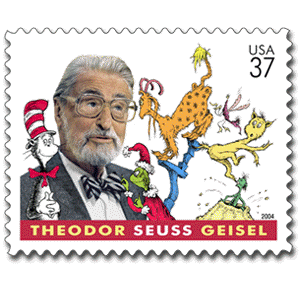
A 2004 US Stamp honored the imagination of Theodor Geisel (Dr. Seuss)
The Cat in the Hat. Green Eggs and Ham. And to think I saw it on Mulberry Street. Dr. Seuss’s ABC. Fox in Socks. Horton Hears a Who. If I Ran the zoo. Lorax.
These staples of children’s literature, created by author Theodor Seuss Geisel (a.k.a. Dr. Seuss), were created in the mid 1950’s as a response to concerns about literacy in young schoolchildren.
Youngsters can join in a birthday celebration of Dr. Seuss at the W. G. Rhea Public Library in downtown Paris, on Saturdsay, February 28, from 10 a.m. to 1 p.m. Children under 12 must be accompanied by an adult.
Here are a few fun facts about Dr. Seuss:
 In 1936 on the way to a vaction in Europe, he came up with And to Think That I Saw It on Mulberry Street, which was rejected by the first 43 publishers he showed it to. Eventually in 1937 a friend published the book for him, and it went on to at least moderate success.
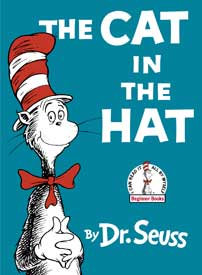
- In May of 1954, Life (magazine) published a report concerning illiteracy among school children. The report said, among other things, that children were having trouble to read because their books were boring. This inspired Geisel’s publisher, and prompted him to send Geisel a list of 400 words he felt were important, asked him to cut the list to 250 words (the publishers idea of how many words at one time a first grader could absorb), and write a book. Nine months later, Geisel, using 220 of the words given to him published The Cat in the Hat, which went on to instant success.
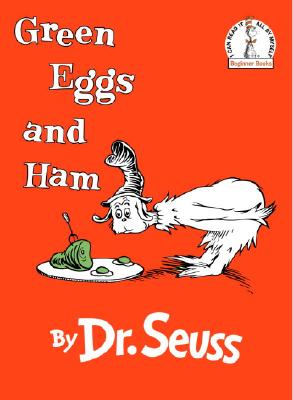 In 1960 Bennett Cerf bet Geisel $50 that he couldn’t write an entire book using only fifty words. The result was Green Eggs and Ham. Cerf never paid the $50.
His first wife, Helen Palmer Geisel, died in 1967. Theodor Geisel married Audrey Stone Diamond in 1968.
Theodor Seuss Geisel, who was born on March 2, 1904, died September 24, 1991.